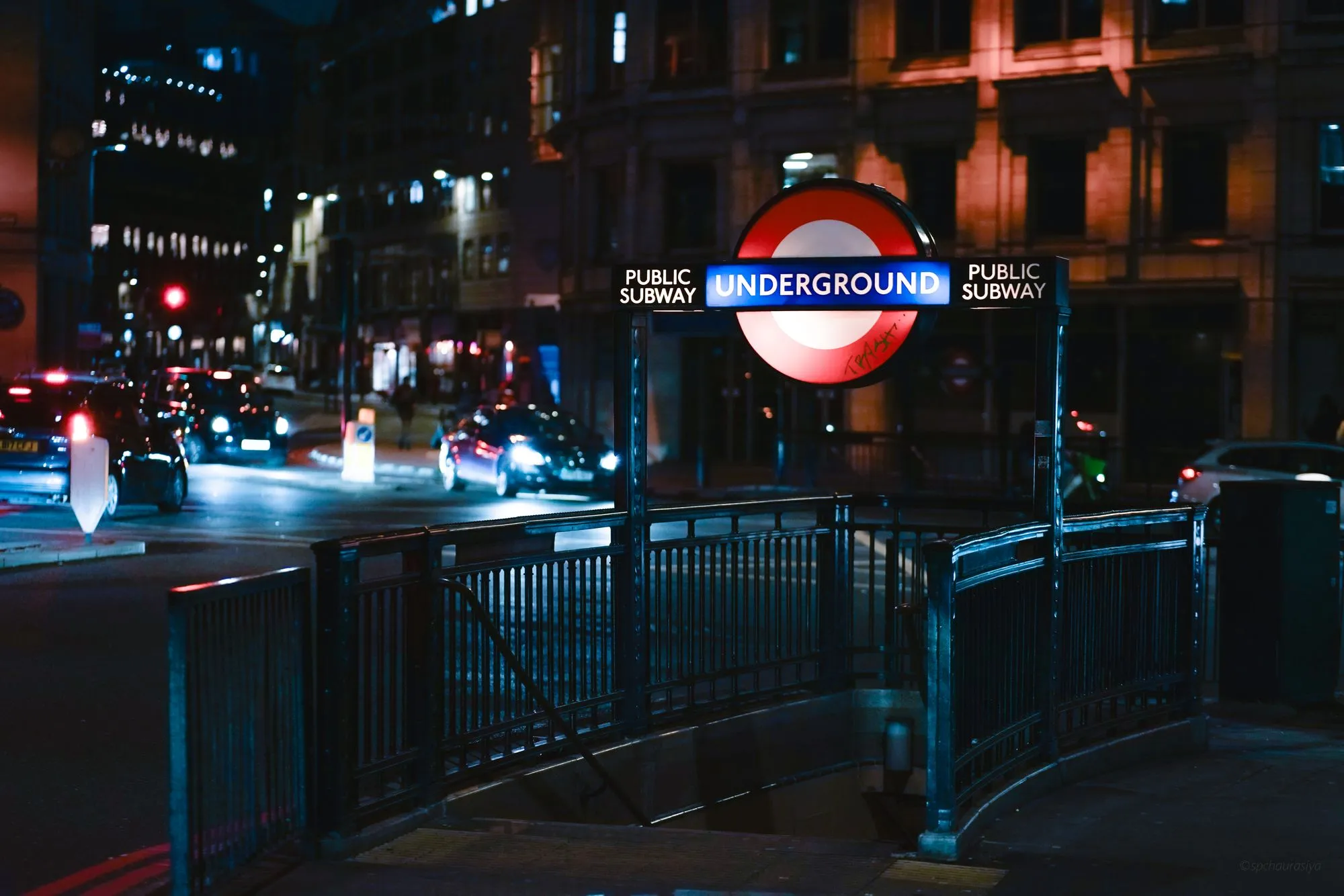
Transport for London (TfL) has taken its Oyster photocard website offline after a breach found on 16 November 2026. It believes about 265,000 photocard customers may have had their account details compromised.
What happened
Oyster photocards give discounted or free travel in London to children, students, apprentices, care leavers, veterans and people aged 60 and over.
On 16 November, customers who already had photocard accounts received emails asking them to create an account. TfL says the emails came from its own systems but were “generated as a result of the compromise”. TfL took the photocard website down straight away.
Shashi Verma, TfL’s director of technology strategy and revenue, said: “we now believe that around 265,000 photocard customers may have had their account details compromised as part of this incident.” BleepingComputer reports an earlier estimate of about 250,000. It adds that the investigation isn’t complete and the figure may rise.
According to the notices sent to customers, the details that may have been accessed are:
- names, email and home addresses, and phone numbers
- dates of birth
- account security questions and their answers
TfL’s assessment is that passwords, bank and payment card details and journey information were not compromised. It believes the names and dates of birth of children with Zip Oyster cards were also unaffected.
TfL says it has contained the incident, contacted affected customers and told the Information Commissioner’s Office (ICO), the UK’s data protection regulator. It has found no evidence so far that the data has been misused. TfL hasn’t said how the attackers got in, or whether a supplier was involved.
When the website returns, every photocard customer will be asked to change their password, security question and answer. The Register reports nothing at present to suggest a link to TfL’s cyber attack of September 2024.
What to do now
TfL is responding before it knows how the attackers got in. Any organisation with a customer website could be in the same position.
- Know what each customer-facing website holds, and about whom. This site held details of children, care leavers and people over 60.
- Make sure you’d notice. Here, customers reported unexpected account emails sent from TfL’s own systems.
- Plan how to switch a site off and still serve people. Photocards kept working for travel, and renewals moved to the phone line.
- Expect the numbers to move. The estimate rose from about 250,000 to 265,000, and may rise again. Tell the regulator and customers on time anyway, then update them.
- Decide who resets what. TfL will ask every photocard customer, not only those affected, to change their password and security question.
These Blueprint requirements cover the same ground:
- RW-DAT-01 A map of the information you hold (Foundation). Record where each kind of information is stored and who is responsible for it.
- RW-LAW-20 Personal data protected by design (Established). Keep “only the personal data needed” in each system.
- RW-DET-14 Incidents stopped from spreading (Established). Contain each incident early, “using steps worked out beforehand”.
- RW-RES-18 Critical services and what they rely on (Foundation). Record which systems each important service relies on.
- RW-DET-05 Incidents reported on time (Foundation). Tell the regulator and the people affected “within the time allowed”.
- RW-GOV-32 Security communication planned (Established). Decide in advance who tells customers and regulators what, and when.
How RiskWitness helps
“What do our customer websites hold?” Assets. Record each customer-facing website as an asset, with an owner, where it’s hosted and the personal data it holds.
“What if one is breached?” Risks. Record the risk, with an owner. Score it before and after controls, and choose a treatment. Add a second risk for the time the site is offline, if people rely on it.
“Would we notice, and could we contain it?” Controls. Record controls such as alerts on unusual activity and a tested plan for taking the site offline. Test them, keep the results and rate how effective each is. Map them to the RiskWitness Blueprint requirements above.
“Who do we tell, and by when?” Incidents. Record the incident, linked to the affected assets, risks and controls, with the people handling it. RiskWitness shows which regulators may need telling, such as the ICO, with their deadlines.
“What will we change?” Actions and Reports. Turn follow-ups into actions with owners and due dates, such as removing data the site doesn’t need. Then produce a PDF report or slide deck for leadership.
Every step is kept in a history that shows who did what, when, and the old and new values. Nobody can edit or delete it. When leadership, an auditor, a customer or a regulator asks how you responded, the answer is already written down.
Sources
- TfL takes Oyster photocard website offline after attackers compromise customer accounts, The Register, 19 November 2026
- Transport for London breach exposes 265,000 Oyster card users’ data, BleepingComputer, 19 November 2026
- TfL cyber attack may have exposed data of 265,000 Oyster photocard users, ianVisits, 19 November 2026
- TfL Oyster Photocard Breach Exposes Names, Home Addresses and Security Answers of About 265,000 Customers, IBTimes UK, 19 November 2026
- Hackers access details of 265,000 Oyster card customers in TfL cyber breach, This Is Local London (via Yahoo News UK), 19 November 2026