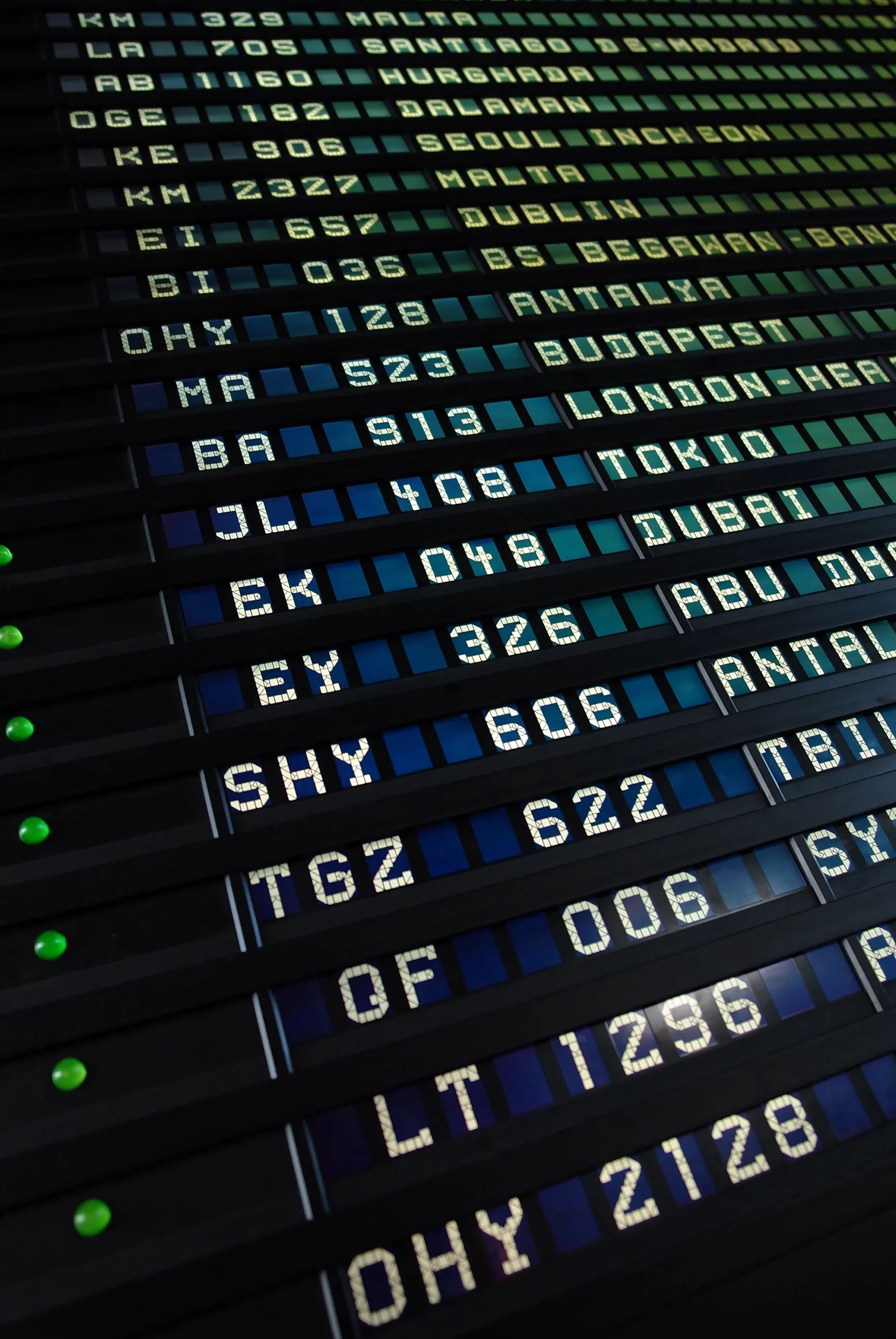
None of the airlines were breached themselves. Their customers’ data was taken from a supplier that runs their bookings. The lesson applies to anyone who trusts a provider with customer data.
What happened
Amadeus IT Group provides technology to hundreds of airlines. Its Passenger Service System handles reservations, ticketing and check-in.
Cathay Pacific says an unauthorised party accessed travel reservation data in Amadeus’s systems. The party used “login credentials assigned to a system account”. Korean Air describes it in the same way. The access ran from August 2023 to September 2026. Japan Airlines gives the exact dates as 10 August 2023 to 23 September 2026.
Amadeus told the airlines in late October:
- Korean Air was notified on 20 October. It has confirmed that reservation numbers were exposed and is checking what else was.
- Japan Airlines was notified on 23 October. About 92,000 customers are affected. For about 2,000 of them, passport numbers, email addresses, phone numbers and frequent flyer numbers were also exposed.
- Cathay Pacific was notified on 28 October. About 53,000 bookings are affected.
- ANA has reported that information on up to 37,800 passengers may have been leaked. Condor has said its data was affected.
For most people the data was a booking reference, a name and flight details. Cathay Pacific and Japan Airlines say no payment card data was taken, and they have found no evidence of misuse so far.
Amadeus has not yet said how many airlines are affected. On 1 October it said it had found a vulnerability in its “travel booking display environment”. Cathay Pacific says Amadeus has reset passwords and added monitoring and detection.
What to do now
The access went unnoticed for over three years. It came through an account the supplier controlled, so none of the airlines’ own monitoring would have seen it.
The RiskWitness Blueprint, our security framework, sets out what to have in place. These requirements are the ones this breach tests.
- RW-SUP-01 A list of your suppliers (Foundation). Record what data or access each has, and which are critical.
- RW-SUP-03 Contracts that bind suppliers to security (Foundation). Contracts should say how quickly a supplier must tell you about a breach.
- RW-SUP-06 Critical suppliers reviewed (Established). Review their security regularly, including any incidents they’ve had.
- RW-SUP-07 Supplier risks in your risk register (Established). Treat each critical supplier’s risks like any other risk.
- RW-IDA-12 Machine credentials owned and protected (Established). Every service account needs an owner and only the access it needs. Ask critical suppliers how they manage accounts that can reach your data.
- RW-DET-07 Logs kept long enough to look back (Established). Ask suppliers how long they keep theirs. Investigating three years of access needs three years of logs.
- RW-SUP-15 Critical suppliers in your incident plans (Advanced). Agree how you will work together, and write their contacts into your plans.
RW-DET-17 also asks you to agree in advance how customers are kept informed during an incident. Japan Airlines warned its customers about phishing emails, fraudulent calls and fake websites.
How RiskWitness helps
Record the supplier. Add the supplier, mark how critical it is, and link it to the assets it holds or hosts for you. Record its contract clauses.
Ask the right questions. Send a questionnaire on system accounts, monitoring and log retention. Store the answers and any assurance evidence against the supplier, and set a review date.
Record the risk. Add a risk for a supplier’s account being misused to reach your data, with an owner. Score it before and after controls, and choose a treatment.
Link and test your controls. Add controls such as supplier reviews and contract terms on incident reporting. Record how effective each is, and log tests with their results.
Map them to the Blueprint. Link each control to the requirements above. One control can count towards several requirements, and RiskWitness shows how well each one is met.
Give each gap an owner. Create actions, such as sending the questionnaire or updating a contract. Each has an owner and a due date. Overdue actions show on the dashboard.
Record any acceptance properly. If you accept part of the risk for now, record the reason and an expiry. Outside your tolerance, a named approver signs it off.
Record the incident if a supplier tells you. Note who is handling it and link the supplier. RiskWitness shows which regulators may need telling, with their deadlines.
Report it. Produce a PDF report or slide deck for the board.
Every step is kept in a history that shows who did what, when, and the old and new values. Nobody can edit or delete it. When the board, an auditor, a customer or a regulator asks how you manage your suppliers, the answer is already written down.
Sources
- Personal data security incident involving a third-party service provider, Cathay Pacific, 30 October 2026
- Japan Airlines suffers third-party data breach exposing passenger info, BleepingComputer, 29 October 2026
- Japan Airlines warns of data breach as country grapples with multiple cyber incidents, The Record, 28 October 2026
- Customer personal information of Korean Air partner company leaked… including reservation numbers, MoneyToday, 23 October 2026
- Cathay Pacific joins growing list of airlines hit by data breach, Bloomberg via The Star, 30 October 2026